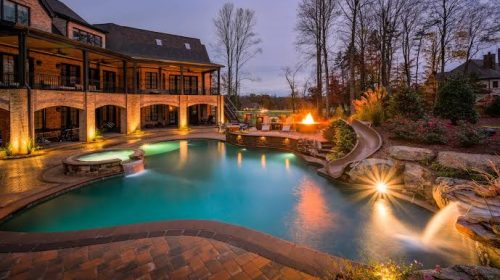
A swimming pool can become a valuable part of a family home, providing space for exercise, relaxation, and shared activities. However, creating a pool that works well for everyone requires careful planning. Parents may prioritize safety and easy supervision, children may need shallow areas for play, and adults may prefer comfortable spaces for swimming or unwinding.
A Custom Swimming Pool allows homeowners to plan the layout, depth, entry points, and additional features around their family’s needs. By considering the ages of household members, available outdoor space, maintenance requirements, and long-term budget, families can create a recreational area that remains practical as their needs change.
1. Identify Your Family’s Recreational Needs
Before selecting a pool shape or choosing construction materials, consider how each family member will use the pool. A design intended mainly for casual swimming may differ significantly from one created for water games, exercise, and entertaining guests.
Families with young children may benefit from a designated shallow area, while teenagers and adults may want enough room for swimming and group activities. Built-in seating can also provide a comfortable place to relax without leaving the water.
Discussing these needs before construction begins helps establish clear priorities. It also prevents unnecessary spending on features that may look appealing but offer little practical value to the household.
Consider both current and future requirements. Children grow, recreational habits change, and the pool may eventually be used by visiting friends or extended family members.
2. Choose a Suitable Pool Size and Shape
The size and shape of a family swimming pool should reflect the available space and intended activities. A larger pool may accommodate more swimmers, but it also requires more construction materials, water, maintenance, and potentially energy for circulation and heating.
Rectangular pools are useful for straightforward swimming and organized water games. Freeform designs can create a relaxed appearance and may work well with landscaped gardens. Compact pools can also provide plenty of recreational value when their layout is carefully planned.
When determining dimensions, consider the following:
- The number of people likely to use the pool at once.
- The amount of space required for swimming and play.
- The location of the house, garden, and outdoor seating.
- Safe pathways around the pool.
- Space for equipment, storage, and maintenance access.
A well-proportioned pool can offer more everyday value than a larger design that leaves little room for other outdoor activities.
3. Create Different Depth Zones
Different depths can support different activities, but depth transitions must be designed carefully. A shallow area may be useful for supervised play and standing, while deeper water may accommodate confident swimmers.
The appropriate depth depends on the pool’s purpose, the ages and abilities of its users, and applicable safety requirements. Clearly defined depth changes can help swimmers understand the layout, although markings alone do not eliminate risk.
Avoid assuming that a shallow section is automatically safe for young children. Drowning can occur in relatively shallow water, and children require close, continuous adult supervision whenever they are in or near the pool.
If diving is being considered, it requires a specifically designed area with suitable depth, dimensions, clearances, and compliance with applicable standards. Diving should never be permitted in a pool that is not designed and approved for it.
4. Include Comfortable Entry Steps and Handrails
Convenient entry points can make a family pool easier to use. Built-in steps provide a gradual route into the water, while suitable handrails can assist people who need additional support.
Wide steps may also offer a place to pause in shallow water. Their position should not obstruct the main swimming area or create unexpected obstacles for people moving through the pool.
For households with older adults or family members with limited mobility, accessibility should be considered from the beginning. Depending on individual needs, additional options may include specialized access equipment or alternative entry arrangements.
The design should make it easy for swimmers to identify steps and changes in depth. Appropriate lighting and contrasting finishes may help improve visibility, especially during evening use.
5. Prioritize Safety Barriers and Supervision
Safety should be a central part of family pool planning rather than an addition considered at the end of construction.
A properly designed barrier can help restrict unsupervised access to the pool. Depending on local regulations, requirements may include suitable fencing, self-closing and self-latching gates, or other approved protective measures.
Additional precautions can include:
- Secure access points that prevent young children from entering the pool area alone.
- Clearly visible depth markings and pool rules.
- Appropriate non-slip surfaces around the water.
- Rescue equipment kept accessible.
- Pool alarms or approved safety covers where suitable.
No single feature eliminates drowning risk. Barriers, alarms, and covers should complement active adult supervision rather than replace it.
Adults responsible for children should remain attentive around the water, avoid distractions, and ensure that children who cannot swim confidently have appropriate supervision and properly fitted flotation equipment when needed.
6. Design a Pool Deck for Family Activities
The area around the pool is important for both comfort and safety. A well-planned deck provides space for walking, drying off, sitting, and organizing family activities without crowding the water’s edge.
Choose surfaces that offer suitable traction when wet and can withstand outdoor exposure. Materials should also be comfortable underfoot in the local climate, since some surfaces become very hot in direct sunlight.
Allow enough room for loungers, chairs, towels, and movement between the pool and the house. Keep pathways clear and avoid placing furniture where it could obstruct emergency access.
Drainage deserves particular attention. Water should flow away appropriately rather than forming persistent puddles that may create slippery conditions or affect nearby structures.
7. Add Features That Encourage Shared Activities
A family pool can support more than ordinary swimming. Carefully chosen features may encourage people of different ages to enjoy the space together.
Useful options include built-in benches, shallow lounging areas, water fountains, and designated spaces for simple water games. Families who enjoy regular exercise may prefer a longer, unobstructed section for swimming.
Water features can add visual interest, but their flow rates, noise, and splash should be considered before installation. Large fountains or waterfalls may require additional pumps, plumbing, and maintenance.
Choose features based on actual family habits rather than adding every available option. A simple layout that supports swimming, relaxation, and play can be easier to maintain and more versatile over time.
8. Select Durable, Family-Friendly Materials
Pool materials affect the appearance, maintenance needs, and long-term cost of ownership. The most suitable option depends on the construction method, budget, climate, and expected usage.
Concrete pools offer substantial flexibility in shape and depth, making them suitable for many tailored designs. Fiberglass pools use prefabricated shells and may offer relatively quick installation when site conditions are suitable. Vinyl-lined pools can provide flexible configurations, although the liner may need replacement during the pool’s lifetime.
For surrounding areas, choose durable decking that provides appropriate traction and can tolerate moisture, sunlight, and pool chemicals.
Before making a decision, compare more than the initial price. Consider expected maintenance, repair requirements, product warranties, and the availability of replacement materials.
9. Plan Lighting for Day and Evening Use
Lighting can make the pool area more functional after sunset and help highlight steps, entry points, and surrounding pathways.
Underwater LED lights can illuminate the water, while outdoor fixtures can improve visibility around the deck and seating areas. Carefully positioned landscape lighting can also create a welcoming atmosphere without excessive brightness.
Avoid glare and dark gaps that make it difficult to see changes in depth or obstacles. Lighting should support safe movement rather than serve only a decorative purpose.
All electrical installations near the pool must comply with applicable safety codes and be completed by qualified professionals. Select fixtures designed for their specific installation environment and follow the manufacturer’s requirements for inspection and maintenance.
10. Consider Heating and Water Comfort
Water temperature can influence how frequently the family uses the pool. In cooler conditions, a suitable heating system may extend the swimming season, while in warmer climates heating may be unnecessary for much of the year.
Options include heat pumps, gas heaters, and solar heating systems. Their suitability depends on local weather, energy prices, desired temperature, and how often the pool will be used.
A pool cover can help retain heat and reduce evaporation when the pool is not in use. It may also limit the amount of leaves and other debris entering the water.
Before investing in heating, estimate the installation cost and expected operating expenses. The most appropriate system is one that matches the family’s actual swimming schedule rather than maintaining a higher temperature than necessary.
11. Make Water Care Easy to Manage
A family pool requires regular cleaning, filtration, circulation, and water testing. A design that provides convenient access to equipment and simple cleaning routes can make these responsibilities easier to manage.
Skimmers and return jets should be positioned as part of a properly designed circulation system. The pump and filter must be sized for the pool’s volume and operating requirements.
Automated controls can help schedule pump operation or manage compatible heating and treatment equipment. However, automation does not remove the need for regular inspection and water testing.
Establish a maintenance routine that includes checking sanitizer levels, balancing the water, cleaning debris, and inspecting equipment. Consistent care helps protect swimmers, preserve surfaces, and reduce the likelihood of costly repairs.
12. Incorporate Energy-Efficient Equipment
Energy-efficient equipment can help manage the long-term cost of family pool ownership. Because pools may operate for many hours each week, pump efficiency, heating requirements, and lighting choices can influence household expenses.
Variable-speed pumps allow circulation rates to be adjusted according to system needs. LED lighting can reduce electricity consumption compared with many older lighting technologies, while pool covers can limit heat loss and evaporation.
Efficient plumbing design is also important. Correctly sized pipes, suitable fittings, and a properly matched pump can reduce unnecessary resistance within the circulation system.
Compare the initial cost of each upgrade with its expected operating benefits. Equipment should be selected according to the pool’s actual requirements, and savings will depend on local utility rates, climate, and usage patterns.
13. Include Storage and Practical Amenities
A well-designed family pool area needs space for more than swimming. Towels, cleaning tools, water toys, testing supplies, and other accessories should have suitable storage locations.
A storage cabinet or dedicated utility area can help keep the deck uncluttered. Equipment such as pumps and filters should remain accessible for inspection and repairs, with appropriate ventilation and protection from the weather where required.
Depending on the available space and budget, families may also consider an outdoor shower, changing area, or shaded seating zone. These amenities can make the pool easier to use during gatherings and everyday recreation.
Plan their locations carefully so they do not interfere with circulation routes, drainage, or emergency access.
14. Balance the Design With Your Budget
The cost of a family pool depends on its size, construction material, site preparation, labor, equipment, safety features, and surrounding landscaping.
To establish a realistic budget, separate essential elements from optional upgrades. Safe access, suitable barriers, reliable filtration, and appropriate drainage should take priority over decorative additions.
Request itemized quotations from qualified contractors and confirm which services are included. Excavation, soil removal, permits, fencing, decking, lighting, and landscaping may be priced separately.
It is also sensible to allow a contingency for unexpected ground conditions or other construction issues. In addition to installation expenses, account for annual electricity, water, chemicals, cleaning, and equipment servicing.
A pool that fits comfortably within the household’s financial plans is more likely to remain enjoyable over the long term.
15. Plan for Changing Family Needs
A swimming pool should remain useful as children grow and household routines evolve. A design focused entirely on the needs of very young children may become less suitable when they become confident swimmers and teenagers.
Consider including flexible areas that can support different activities over time. A clear swimming section, comfortable seating, and a practical deck can accommodate recreation, exercise, and social gatherings.
Accessibility is also worth considering early. Suitable steps, handrails, and clear pathways may improve usability for family members as their needs change.
Future equipment upgrades should be considered as well. Leaving appropriate access to plumbing, pumps, and electrical systems can make repairs and improvements easier without major reconstruction.
Conclusion
Designing a swimming pool for family recreation involves balancing enjoyment, safety, comfort, and long-term practicality. The right size, suitable depth zones, convenient entry points, durable materials, and well-planned outdoor space can make the pool more useful for everyday family life.
Homeowners should also prioritize barriers, active supervision, efficient equipment, and manageable maintenance requirements. By planning around both current preferences and future needs, families can create an outdoor swimming area that supports shared activities and remains functional for years to come.